
Responsible Gambling at Sweepstakes Casinos: Tools, Data & Self-Protection
 Available in US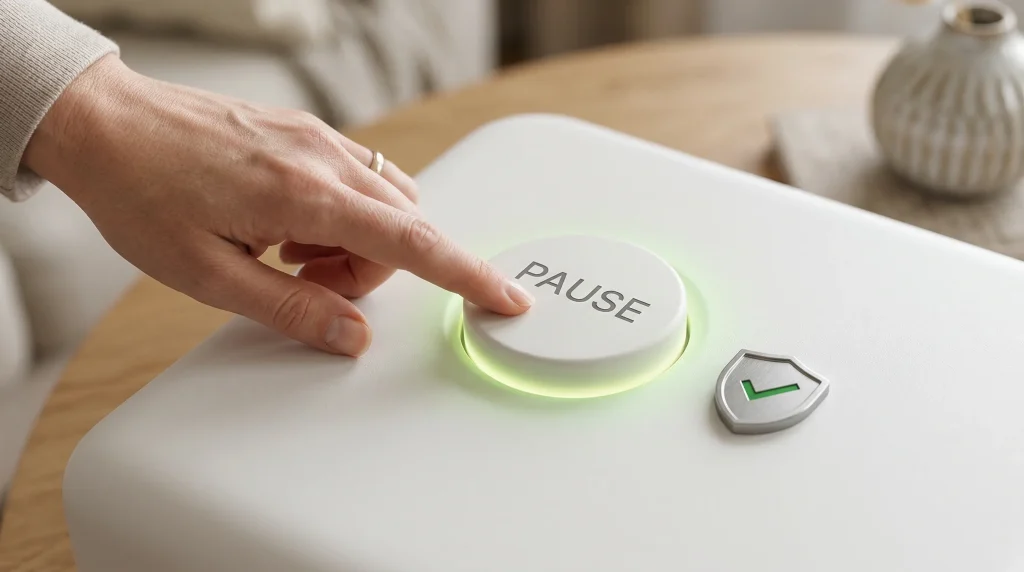
Sweepstakes casinos market themselves as free-to-play entertainment. The data tells a more complicated story. A significant percentage of players spend real money, most of them consider the activity to be gambling, and the rates of problem gambling behavior among online casino-style players are the highest across all gambling formats.
This guide isn’t a lecture. It’s a practical overview of what the research says about risk, what tools are available to manage your play, where sweepstakes platforms fall short compared to regulated environments, and where to find help if the balance has shifted from entertainment to compulsion.
What the Data Shows About Risk
The most rigorous data on gambling-related harm comes from a 2026 systematic review and meta-analysis published in The Lancet Public Health. Among players of online casino games — a category that includes sweepstakes-style platforms — 15.8% exhibited problem gambling behavior. That’s the highest rate among all gambling formats analyzed in the study, exceeding sports betting, lottery play, and poker.
The number is striking in context. If 55 million Americans play sweepstakes casinos (the SPGA’s estimate) and even half of them engage at a level comparable to the study population, the potential scale of problem gambling within this sector is enormous — and almost entirely unmonitored by any regulatory body.
The AGA’s own research reinforces the concern from a different angle. According to a 2026 AGA survey of 2,250 sweepstakes players, 90% consider the activity to be gambling. The same survey found that 80% spend money on a monthly basis and about 50% spend weekly. These are not the behavior patterns of casual free-to-play entertainment. They’re the behavior patterns of a gambling product — and they carry the associated risks.
The “free to play” label creates a particular hazard. Players may underestimate their financial exposure because the initial framing suggests no money is involved. The progression from free daily logins to small GC purchases to regular spending can happen gradually, without a single moment where the player consciously decides to start gambling — because technically, the platform insists they never are.
Responsible Play Tools Available at Sweepstakes Casinos
The tools available to manage your play vary significantly by platform. Here’s what’s currently offered across major sweepstakes casinos.
Purchase limits. Some platforms allow you to set daily, weekly, or monthly caps on GC purchases. Once you hit the limit, the purchase interface is blocked until the reset period. This is the most directly effective tool for controlling spending. Chumba Casino, Stake.us, and WOW Vegas offer some form of purchase limit functionality, though the granularity and ease of configuration differ.
Session timers and reminders. A small number of platforms display elapsed play time or send reminders after a set number of minutes. The purpose is to break the flow state that leads to extended, unplanned sessions. This feature is less common in the sweepstakes space than in regulated iGaming, where it’s often mandated.
Self-exclusion. Most major platforms offer a self-exclusion option that locks you out of your account for a set period — typically 6 months, 1 year, or permanently. Self-exclusion is the nuclear option: once activated, it generally can’t be reversed before the exclusion period ends, and your account may be closed permanently. It’s the right tool for players who’ve recognized that moderation isn’t working.
Cool-off periods. Shorter than full self-exclusion, cool-off periods (24 hours, 48 hours, 7 days) let you temporarily step away without permanently closing your account. These are useful for players who want to pause during a losing streak or reset their approach without committing to long-term exclusion.
Reality checks. Pop-up notifications that display your net win/loss position, session duration, or spending summary at set intervals. The goal is to ensure players are making decisions with full awareness of their current position. Implementation is inconsistent — some platforms show detailed summaries, others offer nothing.
The quality and accessibility of these tools matters. A self-exclusion option buried three menus deep in account settings is technically present but practically invisible to a player in the moment they need it. The best implementations put responsible play controls on the main dashboard, visible without searching. Platforms that treat these tools as compliance checkboxes rather than genuine player-protection features are doing the minimum — and the minimum isn’t enough for the 15.8% who are statistically at risk.
Where Sweepstakes Casinos Fall Short
The gap between sweepstakes and regulated gambling in responsible play infrastructure is significant.
Regulated iGaming states mandate specific responsible gambling tools. New Jersey, Pennsylvania, Michigan, and others require licensed operators to offer deposit limits, self-exclusion linked to a statewide registry, reality checks, and staff trained in problem gambling identification. Violations carry licensing penalties. According to the AGA’s 2026 industry report, the regulated gaming industry has invested over $500 million in responsible gambling programs and generated $123 million for state-funded intervention programs.
Sweepstakes casinos have no equivalent mandate. The SPGA’s Code of Conduct — adopted voluntarily by member operators — includes responsible play provisions, but compliance is self-monitored and self-enforced. There’s no independent audit, no statewide exclusion registry, no regulator to file complaints with, and no penalty for platforms that offer inadequate tools.
The absence of a centralized self-exclusion database is particularly problematic. A player who self-excludes from Chumba Casino can immediately sign up at Stake.us. In regulated states, a single self-exclusion request covers all licensed operators in the jurisdiction. In the sweepstakes space, exclusion is platform-by-platform, requiring a player in crisis to take separate action at every site they’ve used — an unrealistic expectation during a moment of vulnerability.
Where to Get Help
If your relationship with sweepstakes casinos has shifted from entertainment to obligation — if you’re spending more than you planned, chasing losses, hiding your activity from others, or feeling anxious when you’re not playing — these are signals that deserve attention.
The National Council on Problem Gambling (NCPG) operates a confidential helpline at 1-800-522-4700, available 24/7. They also offer a text option: text “NCPG” to 233. The helpline connects callers with trained counselors who can assess the situation and recommend local resources.
State-level resources vary but are often more accessible than national hotlines. Many states operate their own gambling helplines and fund treatment programs through taxes on regulated gambling revenue. Your state’s attorney general’s office or health department website can direct you to local options.
Gamblers Anonymous (GA) runs peer support meetings across the country, including online meetings for those who prefer remote participation. The program follows a twelve-step model adapted from Alcoholics Anonymous and is free to attend.
Online resources including the NCPG’s self-assessment tools can help you evaluate whether your play patterns indicate a problem. These assessments take a few minutes and provide a structured framework for honest self-reflection — something that’s hard to do in the middle of a gaming session but essential for long-term wellbeing.
One more thing: recognizing a problem is itself a positive step. The sweepstakes casino model is designed to encourage ongoing engagement through daily logins, streak rewards, and escalating VIP perks. Stepping back from that design — even temporarily — takes more self-awareness than most entertainment products demand. If you’re reading this section because something feels off about your play, trust that instinct. The tools and resources above exist specifically for this moment.